


Who
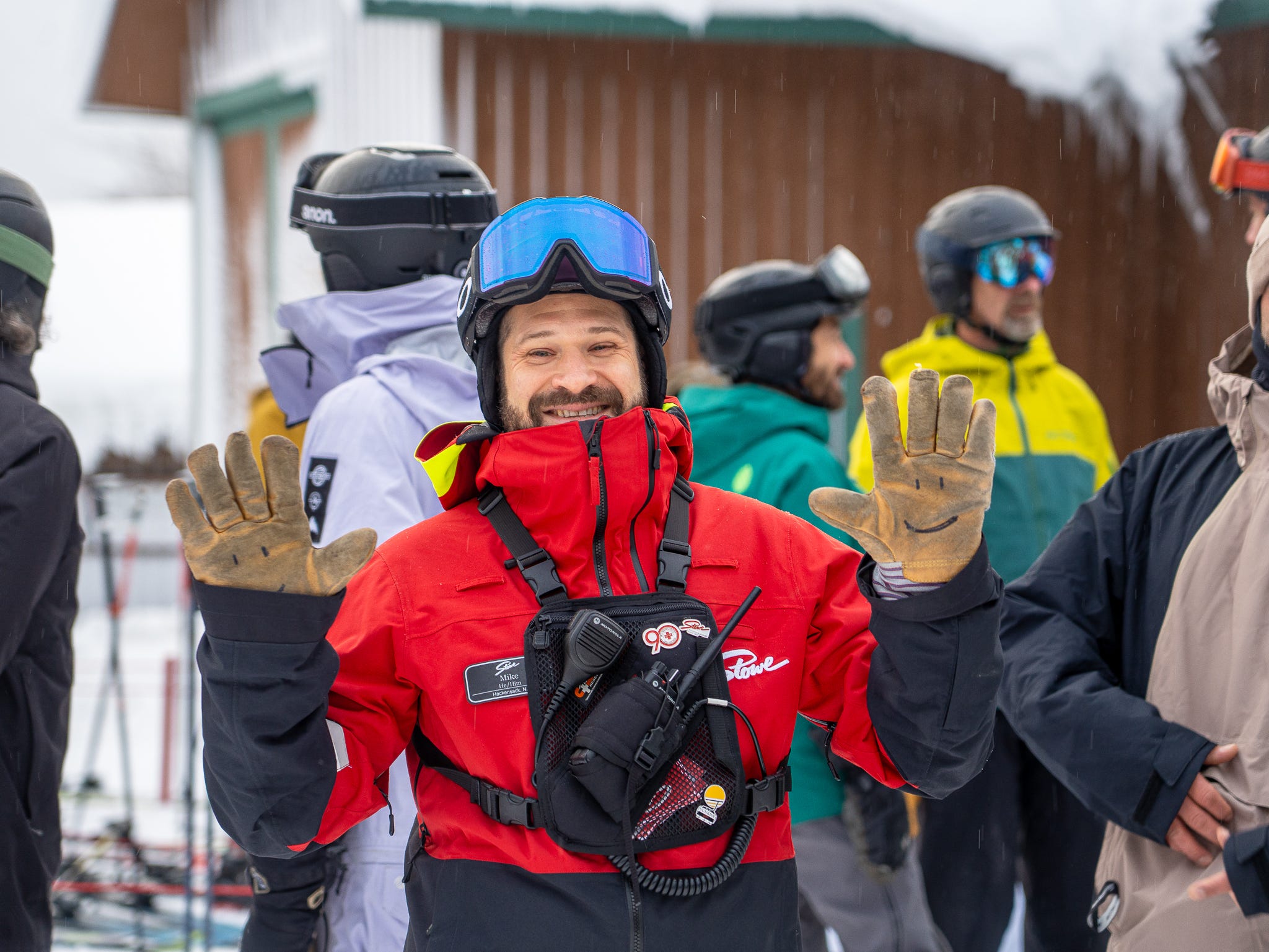
Mike Giorgio, Vice President and General Manager of Stowe Mountain, Vermont
Recorded on
October 8, 2025
About Stowe
Click here for a mountain stats overview
Owned by: Vail Resorts, which also owns:

Located in: Stowe, Vermont
Year founded: 1934
Pass affiliations:
Epic Pass: unlimited access
Epic Local Pass: unlimited access with holiday blackouts
Epic Northeast Value Pass: 10 days with holiday blackouts
Epic Northeast Midweek Pass: 5 midweek days with holiday blackouts
Access on Epic Day Pass All and 32 Resort tiers
Ski Vermont 4 Pass – up to one day, with blackouts
Ski Vermont Fifth Grade Passport – 3 days, with blackouts
Closest neighboring U.S. ski areas: Smugglers’ Notch (ski-to or 40-ish-minute drive in winter, when route 108 is closed over the notch), Bolton Valley (:45), Cochran’s (:50), Mad River Glen (:55), Sugarbush (:56)
Base elevation: 1,265 feet (at Toll House double)
Summit elevation: 3,625 feet (top of the gondola), 4,395 feet at top of Mt. Mansfield
Vertical drop: 2,360 feet lift-served, 3,130 feet hike-to
Skiable acres: 485
Average annual snowfall: 314 inches
Trail count: 116 (16% beginner, 55% intermediate, 29% advanced)
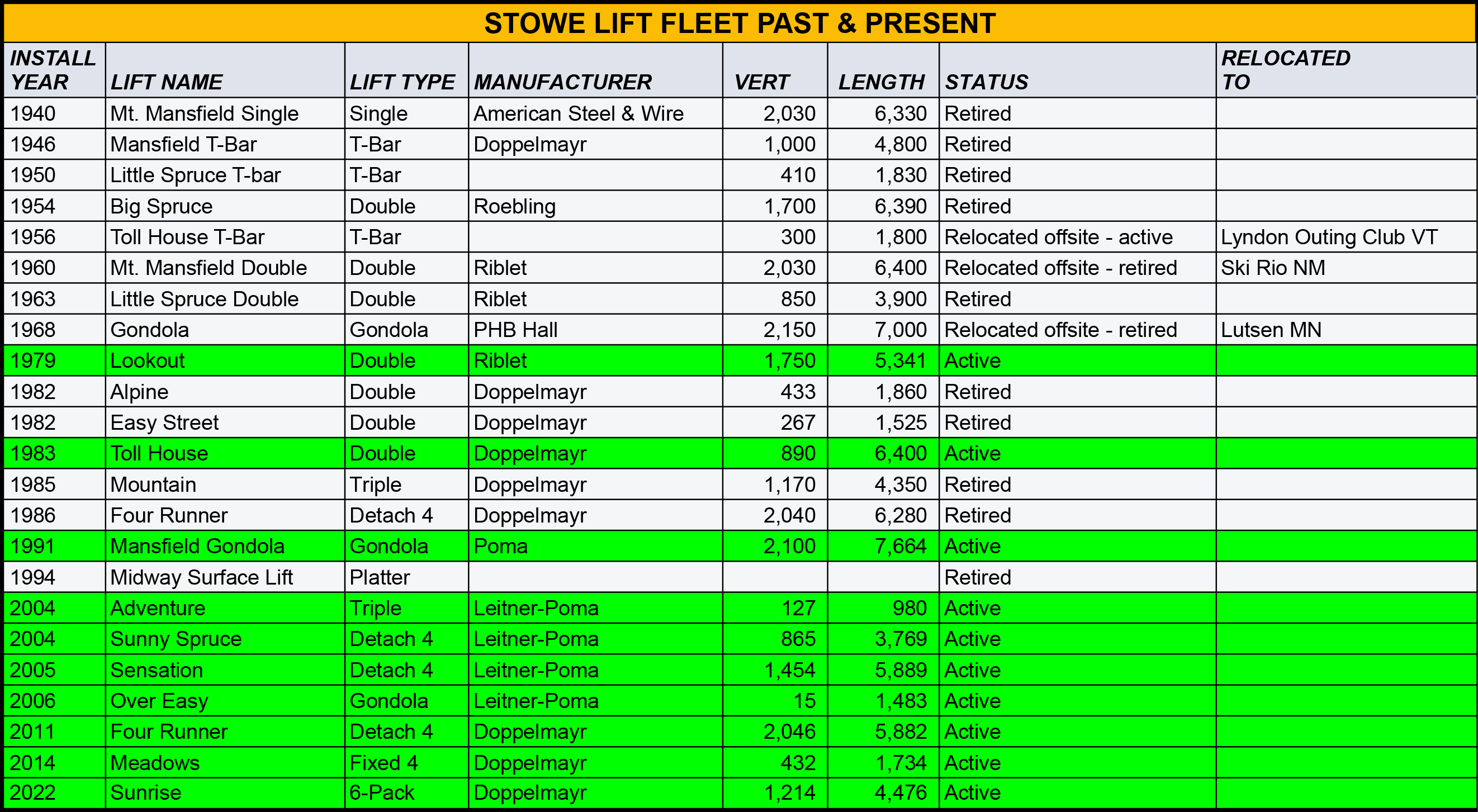
Lift count: 12 (1 eight-passenger gondola, 1 six-passenger gondola, 1 six-pack, 3 high-speed quads, 1 fixed-grip quad, 1 triple, 2 doubles, 2 carpets)
Why I interviewed him
There is no Aspen of the East, but if I had to choose an Aspen of the East, it would be Stowe. And not just because Aspen Mountain and Stowe offer a similar fierce-down, with top-to-bottom fall-line zippers and bumpy-bumps spliced by massive glade pockets. Not just because each ski area rises near the far end of densely bunched resorts that the skier must drive past to reach them. Not just because the towns are similarly insular and expensive and tucked away. Not just because the wintertime highway ends at both places, an anachronistic act of surrender to nature from a mechanized world accustomed to fencing out the seasons. And not just because each is a cultural stand-in for mechanized skiing in a brand-obsessed, half-snowy nation that hates snow and is mostly filled with non-skiers who know nothing about the activity other than the fact that it exists. Everyone knows about Aspen and Stowe even if they’ll never ski, in the same way that everyone knows about LeBron James even if they’ve never watched basketball.
All of that would be sufficient to make the Stowe-is-Aspen-East argument. But the core identity parallel is one that threads all these tensions while defying their assumed outcome. Consider the remoteness of 1934 Stowe and 1947 Aspen, two mountains in the pre-snowmaking, pre-interstate era, where cutting a ski area only made sense because that’s where it snowed the most. Both grew in similar fashion. First slowly toward the summit with surface lifts and mile-long single chairs crawling up the incline. Then double chairs and gondolas and snowguns and detachable chairlifts. A ski area for the town evolves into a ski area for the world. Hotels a la luxe at the base, traffic backed up to the interstate, corporate owners and $261 lift tickets.
That sounds like a formula for a ruined world. But Stowe the ski area, like Aspen Mountain the ski area, has never lost its wild soul. Even buffed out and six-pack equipped and Epic Pass-enabled, Stowe remains a hell of a mountain, one of the best in New England, one of my favorite anywhere. With its monster snowfalls, its endless and perfectly spaced glades, its never-groomed expert zones, its sprawling footprint tucked beneath the Mansfield summit, its direct access to rugged and forbidding backcountry, Stowe, perhaps the most western-like mountain in the East, remains a skier’s mountain, a fierce and humbling proving ground, an any-skier’s destination not because of its trimmings, but because of the Christmas tree itself.
Still, Stowe will never be Aspen, because Stowe does not sit at 8,000 feet and Stowe does not have three accessory ski areas and Stowe the Town does not grid from the lift base like Aspen the Town but rather lies eight miles down the road. Also Stowe is owned by Vail Resorts, and can you just imagine? But in a cultural moment that assumes ski area ruination-by-the-consolidation-modernization-mega-passification axis-of-mainstreaming, Aspen and Stowe tell mirrored versions of a more nuanced story. Two ski areas, skinned in the digital-mechanical infrastructure that modernity demands, able to at once accommodate the modern skier and the ancient mountain, with all of its quirks and character. All of its amazing skiing.
What we talked about
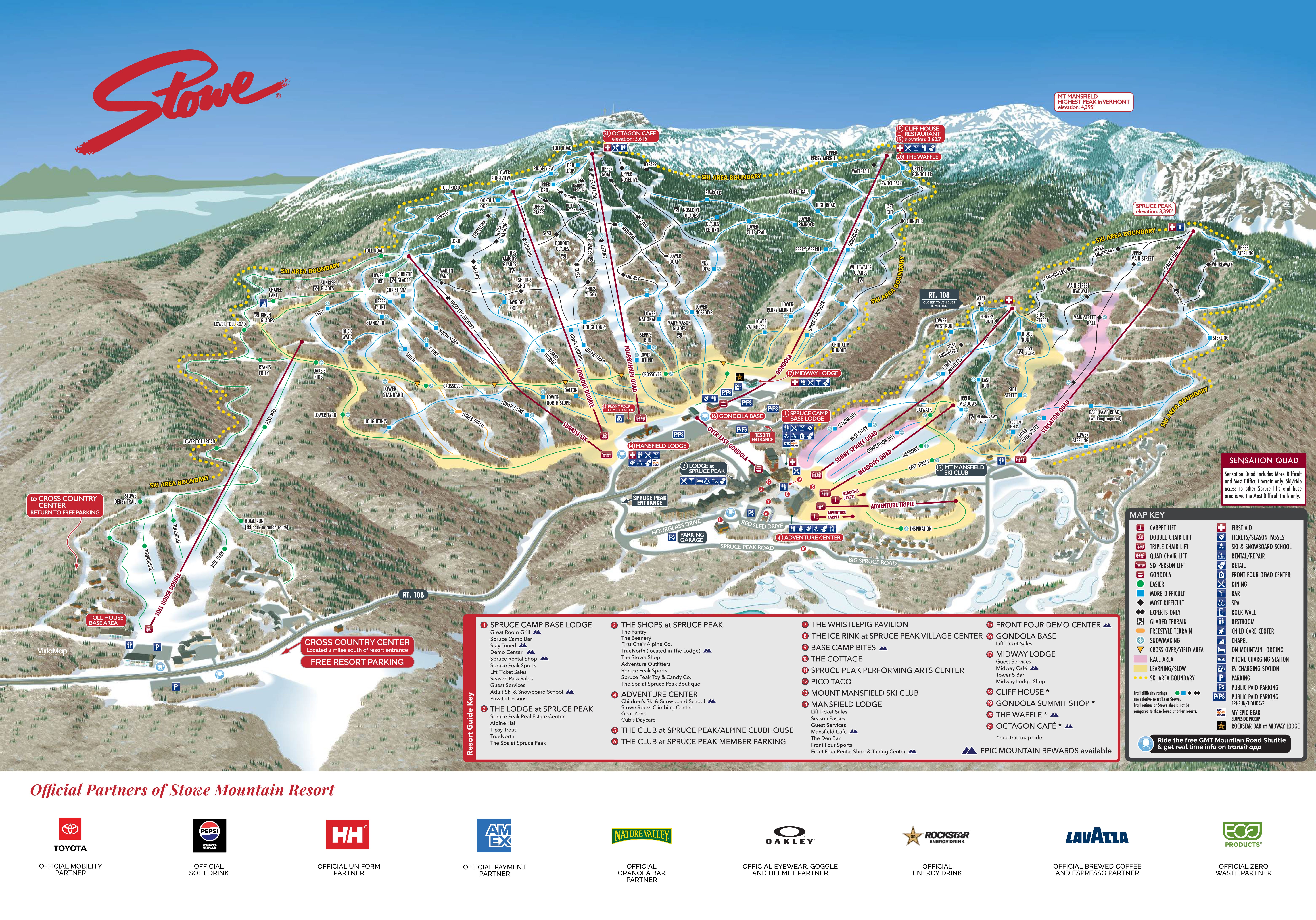
Stowe the Legend; Vail Resorts’ leadership carousel; ascending to ski area leadership without on-mountain experience; Mount Brighton, Michigan and Midwest skiing; struggles at Paoli Peaks, Indiana; how the Sunrise six-pack upgrade of the old Mountain triple changed the mountain; whether the Four Runner quad could ever become a six-pack; considering the future of the Lookout Double and Mansfield Gondola; who owns the land in and around the ski area; whether Stowe has terrain expansion potential; the proposed Smugglers’ Notch gondola connection and whether Vail would ever buy Smuggs; “you just don’t understand how much is here until you’re here”; why Stowe only claims 485 acres of skiable terrain; protecting the Front Four; extending Stowe’s season last spring; snowmaking in a snowbelt; the impact and future of paid parking; on-mountain bed-base potential; Epic Friend 50 percent off lift tickets; and Stowe locals and the Epic Pass.
What I got wrong
On details
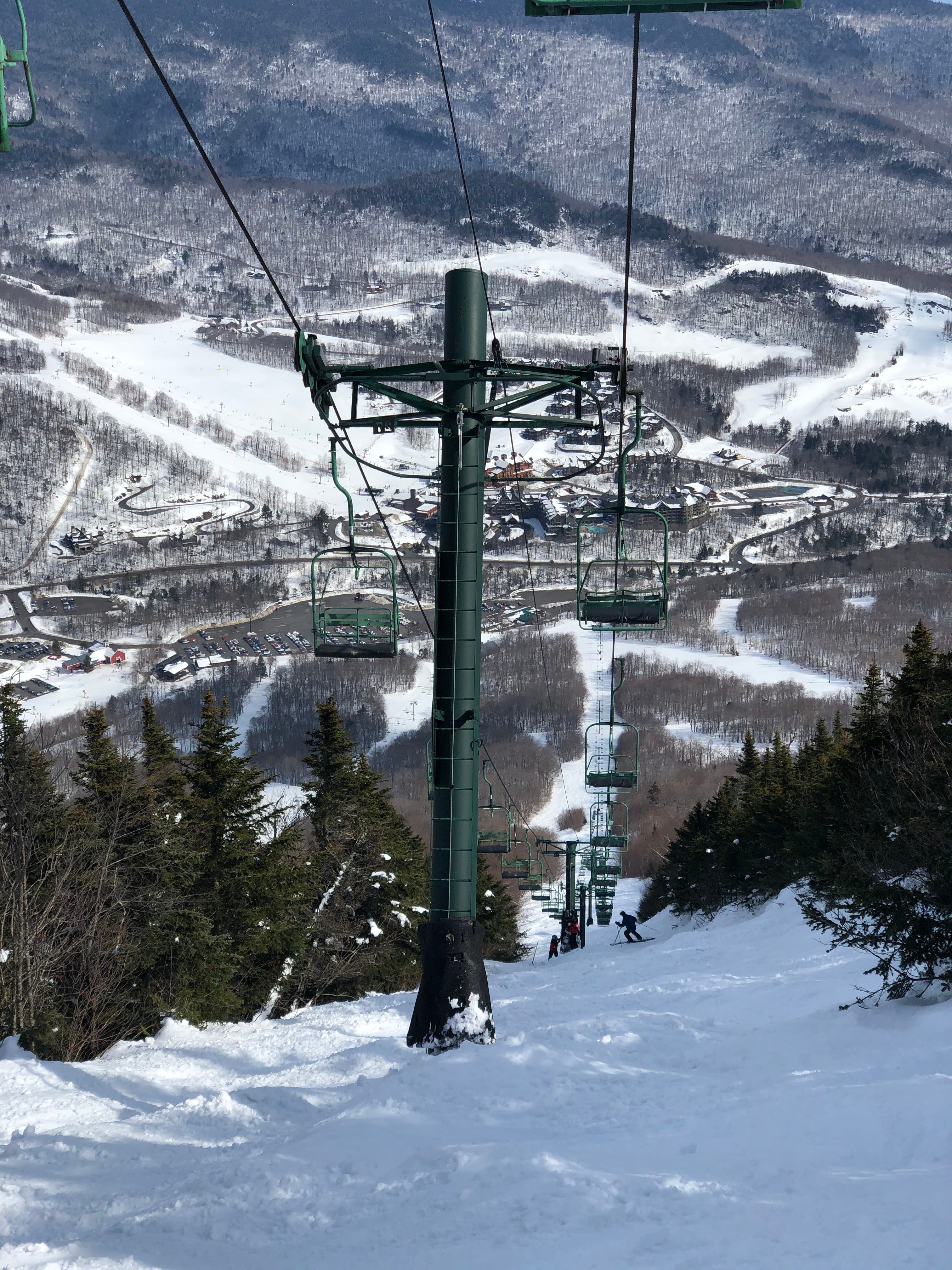
I noted that one of my favorite runs was not a marked run at all: the terrain beneath the Lookout double chair. In fact, most of the trail beneath this mile-plus-long lift is a market run called, uh, “Lookout.” So I stand corrected. However, the trailmap makes this full-throttle, narrow bumper – which feels like skiing on a rising tide – look wide, peaceful, and groomable. It is none of those things, at least for its first third or so.
On skiable acres
I said that Killington claimed “like 1,600 acres” of terrain – the exact claimed number is 1,509 acres.
I said that Mad River Glen claimed far fewer skiable acres than it probably could, but I was thinking of an out-of-date stat. The mountain claims just 115 acres of trails – basically nothing for a 2,000-vertical-foot mountain, but also “800 acres of tree-skiing access.” The number listed on the Pass Smasher Deluxe is 915 acres.
On season closings
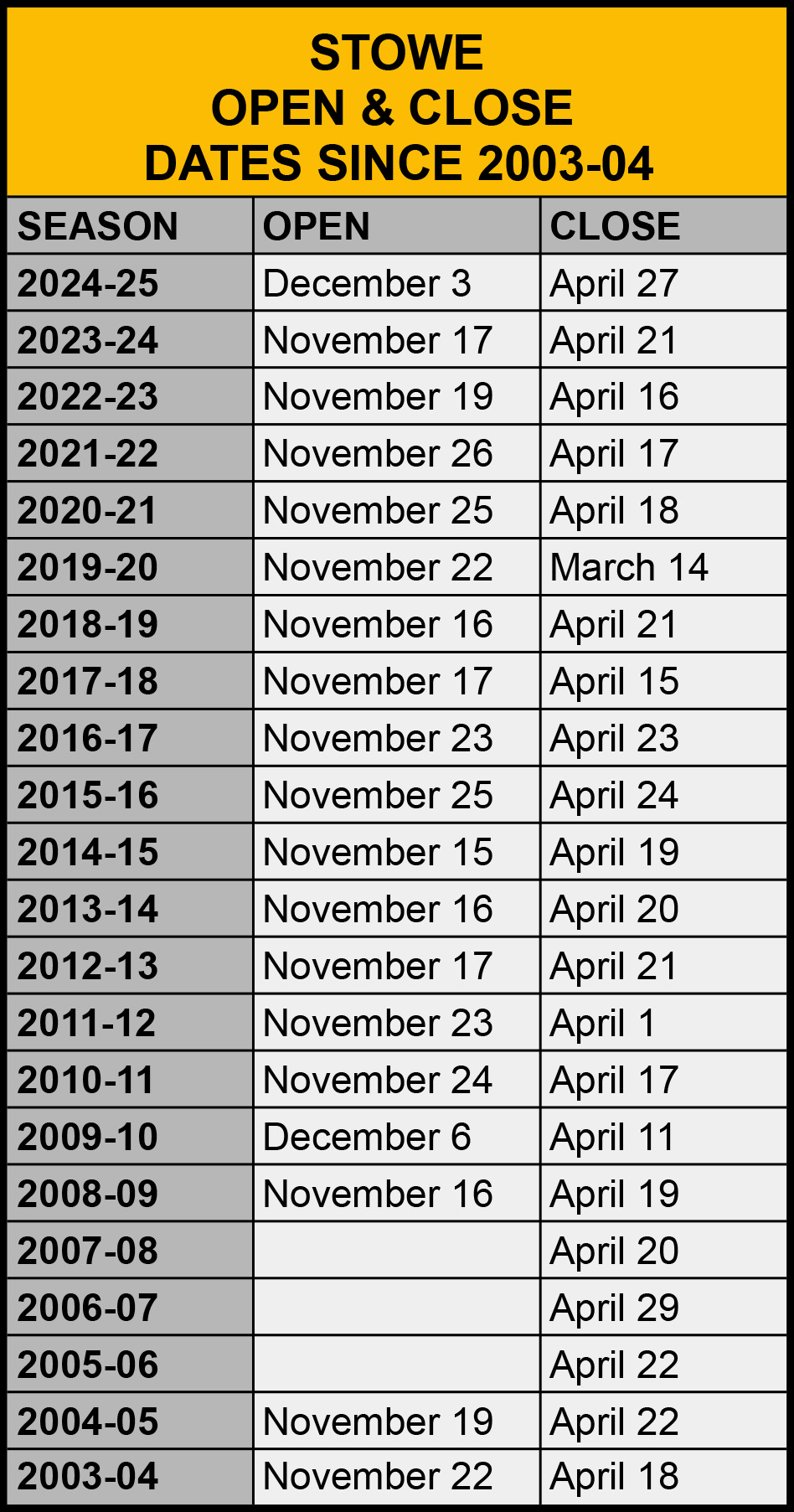
I intimated that Stowe had always closed the third weekend in April. That appears to be mostly true for the past two-ish decades, which is as far back as New England Ski History has records. The mountain did push late once, however, in 2007, and closed early during the horrible no-snow winter of 2011-12 (April 1), and the Covid-is-here-to-kill-us-all shutdown of 2020 (March 14).
On doing better prep
I asked whether Stowe had considered making its commuter bus free, but it, um, already is. That’s called Reeserch, Folks.
On lift ticket rates
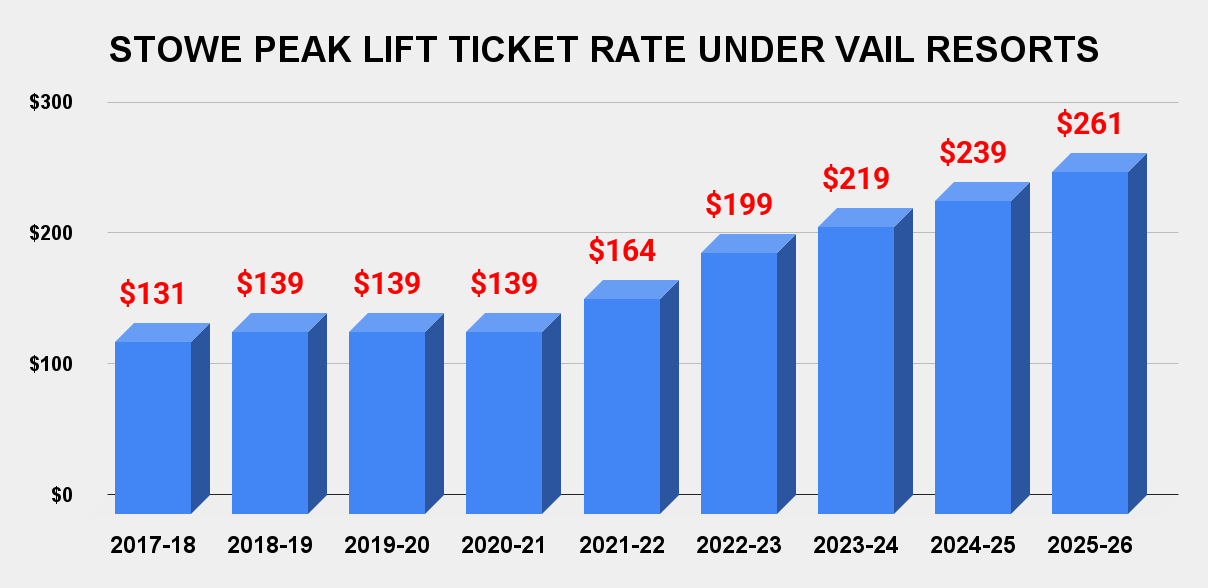
I claimed that Stowe’s top lift ticket price would drop from $239 last year to $235 this coming season, but that’s inaccurate. Upon further review, the peak walk-up rate appears to be increasing to $261 this coming winter:

Which means Vail’s record of cranking Stowe lift ticket rates up remains consistent:
On opening hours
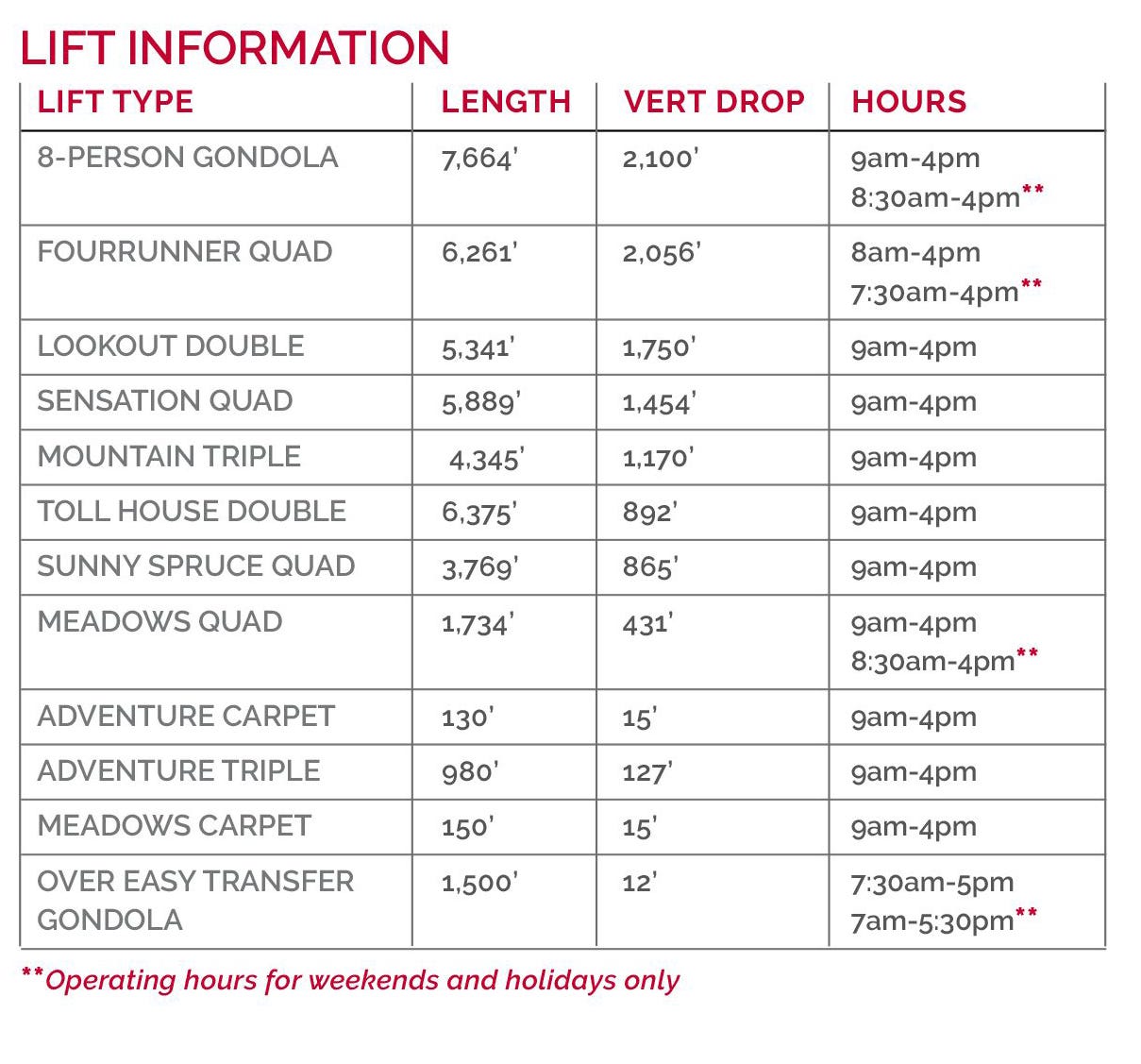
I said that the lifts at Stowe sometimes opened at “7:00 or 7:30,” but the earliest ski lift currently opens at 8:00 most mornings (the Over Easy transit gondola opens at 7:30). The Fourrunner quad used to open at 7:30 a.m. on weekends and holidays. I’m not sure when mountain ops changed that. Here’s the lift schedule clipped from the circa 2018 trailmap:
On Mount Brighton, Michigan’s supposed trashheap legacy
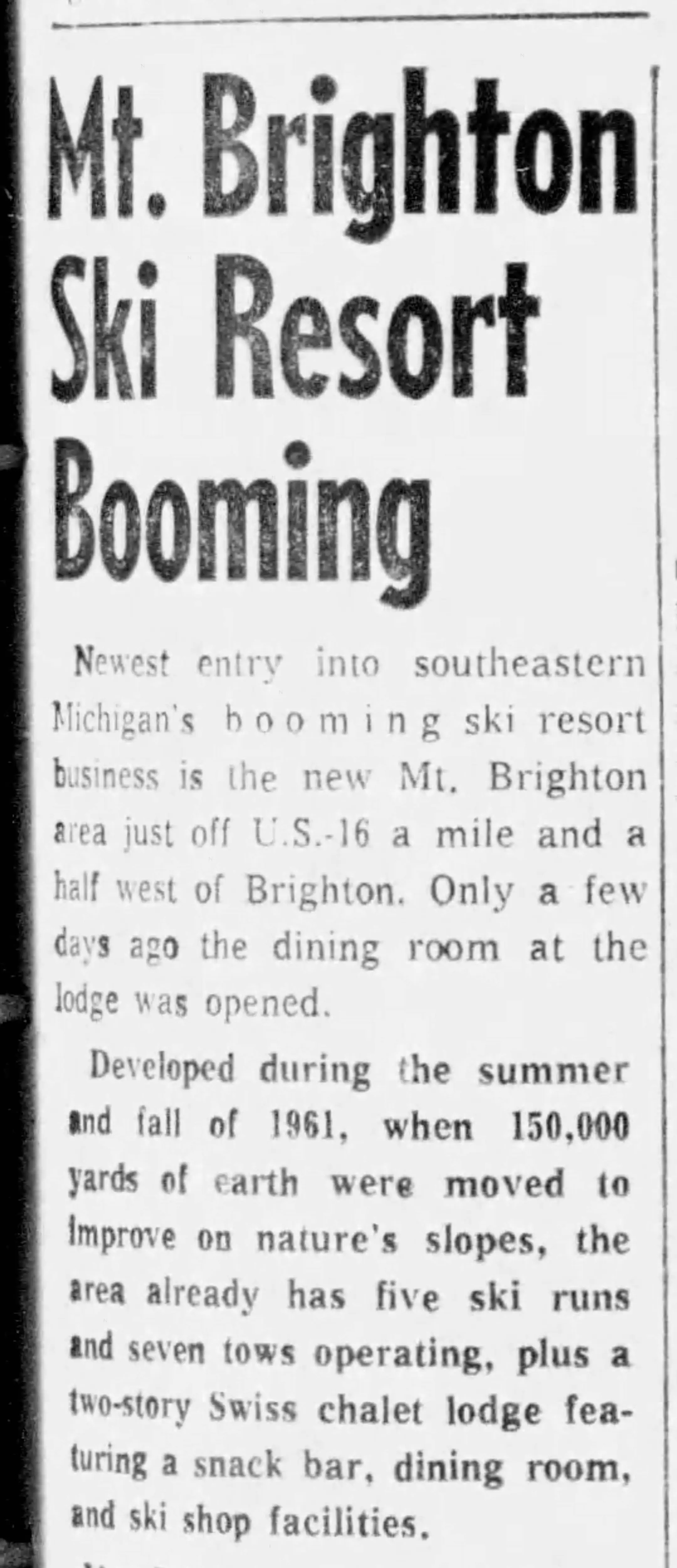
I’d read somewhere, sometime, that Mount Brighton had been built on dirt moved to make way for Interstate 96, which bores across the state about a half mile north of the ski area. The timelines match, as this section of I-96 was built between 1956 and ’57, just before Brighton opened in 1960. This circa 1962 article from The Livingston Post, a local paper, fails to mention the source of the dirt, leaving me uncertain as to whether or not the hill is related to the highway:
Why you should ski Stowe
From my April 10 visit last winter, just cruising mellow, low-angle glades nearly to the base:
I mean, the place is just:


I love it, Man. My top five New England mountains, in no particular order, are Sugarbush, Stowe, Jay, Smuggs, and Sugarloaf. What’s best on any given day depends on conditions and crowding, but if you only plan to ski the East once, that’s your list.
Podcast Notes
On Stowe being the last 1,000-plus-vertical-foot Vermont ski area that I featured on the pod
You can view the full podcast catalogue here. But here are the past Vermont eps:
Stratton 2024
Okemo 2023
Middlebury Snowbowl 2023
Bromley 2022
Smugglers’ Notch 2021
Bolton Valley 2021
Hermitage Club 2020
Sugarbush 2020 with current president John Hammond | 2020 with past owner Win Smith
Mad River Glen 2020
Burke 2019
On Stowe having “peers, but no betters” in New England
While Stowe doesn’t stand out in any one particular statistical category, the whole of the place stacks up really well to the rest of New England - here’s a breakdown of the 63 public ski areas that spin chairlifts across the six-state region:

On the Front Four ski runs
The “Front Four” are as synonymous with Stowe as the Back Bowls are with Vail Mountain or Corbet’s Couloir is with Jackson Hole. These Stowe trails are steep, narrow, double-plus-fall-line bangers that, along with Castlerock at Sugarbush and Paradise at Mad River Glen, are among the most challenging runs in New England.
The problem is determining which of the double-blacks spiderwebbing off the top of Fourrunner are part of the Front Four. Officially, the designation has always bucketed National, Liftline, Goat, and Starr together, but Bypass, Haychute, and Lookout could sub in most days.
Credit to Stowe for keeping these wild trails intact for going on a century, but what I said about them “not being for the masses” on the podcast wasn’t quite accurate, as the lower portions of many - especially Liftline - are wide, often groomed, and not particularly treacherous. The best end-to-end trail is Goat, which is insanely steep and narrow up top. Here’s part of Goat’s middle-to-lower section, which is mellower but a good portrayal of New England bumpy, exposed-dirt-and-rocks gnar, especially at the :19 mark:
The most glorious ego boost (or ego check) is the few hundred vertical feet of Liftline directly below Fourrunner. Sound on for scrapey-scrape:
When the cut trails get icy, you can duck into the adjacent glades, most of which are unmarked but skiable. Here, I bailed into the trees skier’s left of Starr to escape the ice rink:
On Vail Resorts’ leadership shuffles
Twelve of Vail’s 37 North American ski areas began the 2024-25 ski season with a different leader than they ended the 2023-24 ski season with. This included five of the company’s New England resorts, including Stowe. Giorgio, in fact, became the ski area’s third general manager in three winters, and the fourth since Vail acquired the ski area in 2017. I asked Giorgio about this, as a follow up to a similar set of questions I’d laid out for Vail Resorts CEO Rob Katz in August:
I may be overthinking this, but check this out: between 2017 and 2024, Vail Resorts changed leadership at its North American ski areas more than 70 times - the yellow boxes below mark a new president-general-manager equivalent (red boxes indicate that Vail did not yet own the ski area):
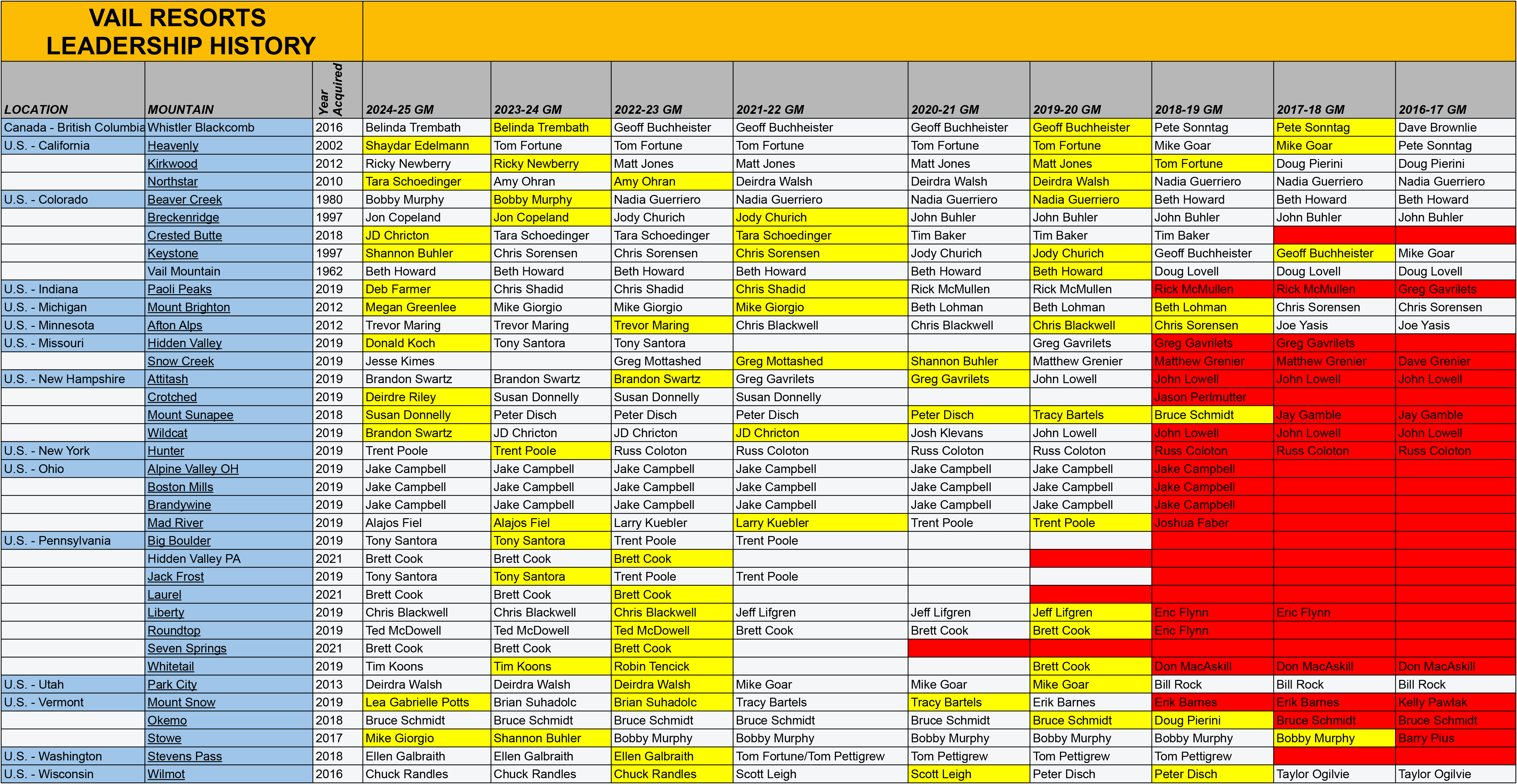
To reset my thinking here: I can’t say that this constant leadership shuffle is inherently dysfunctional, and most Vail Resorts employees I speak with appreciate the company’s upward-mobility culture. And I consistently find Vail’s mountain leaders - dozens of whom I have hosted on this podcast - to be smart, earnest, and caring. However, it’s hard to imagine that the constant turnover in top management isn’t at least somewhat related to Vail Resorts’ on-the-ground reputational issues, truncated seasons at non-core ski areas (see Paoli Peaks section below), and general sense that the company’s arc of investment bends toward its destination resorts.
On Peak Resorts
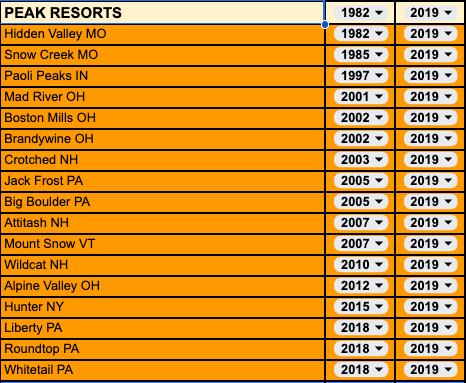
Vail purchased all of Peak Resorts, including Mount Snow, where Giorgio worked, in 2019. Here’s that company’s growth timeline:
On Vernon Valley-Great Gorge
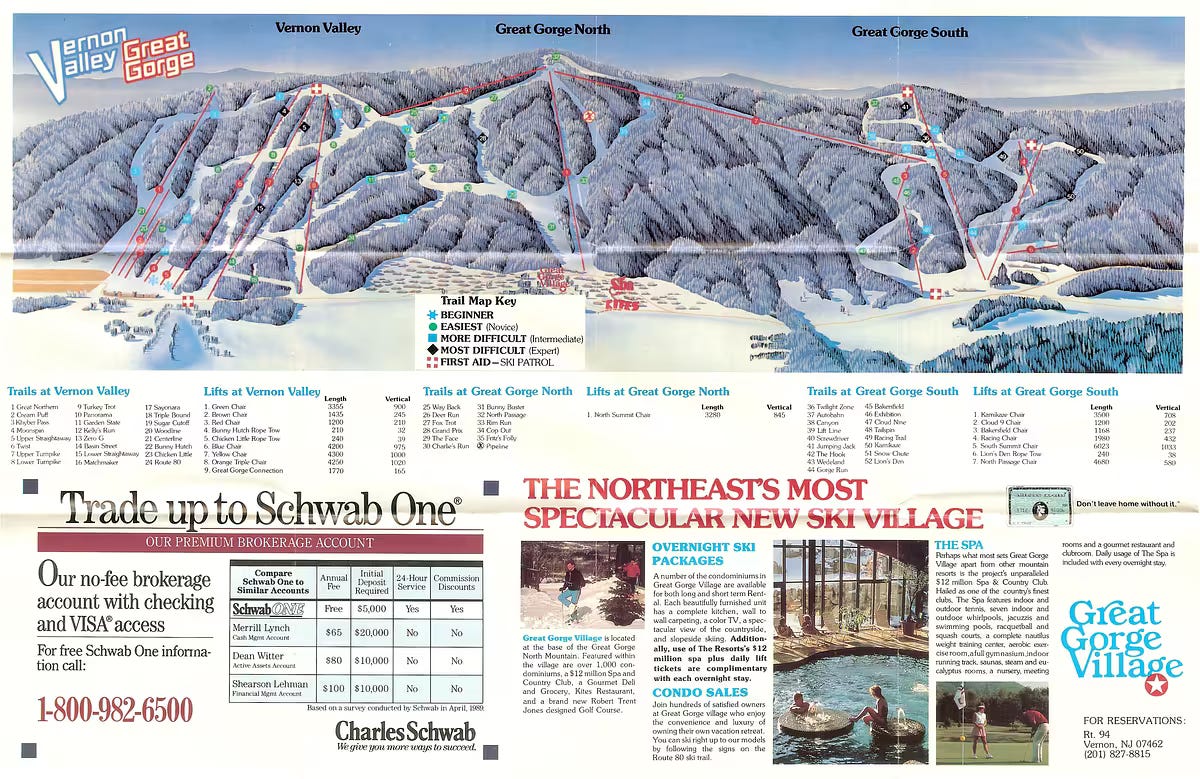
The ski area now known as Mountain Creek was Vernon Valley-Great Gorge until 1997. Anyone who grew up in the area still calls the joint by its legacy name.
On Paoli Peaks versus Perfect North
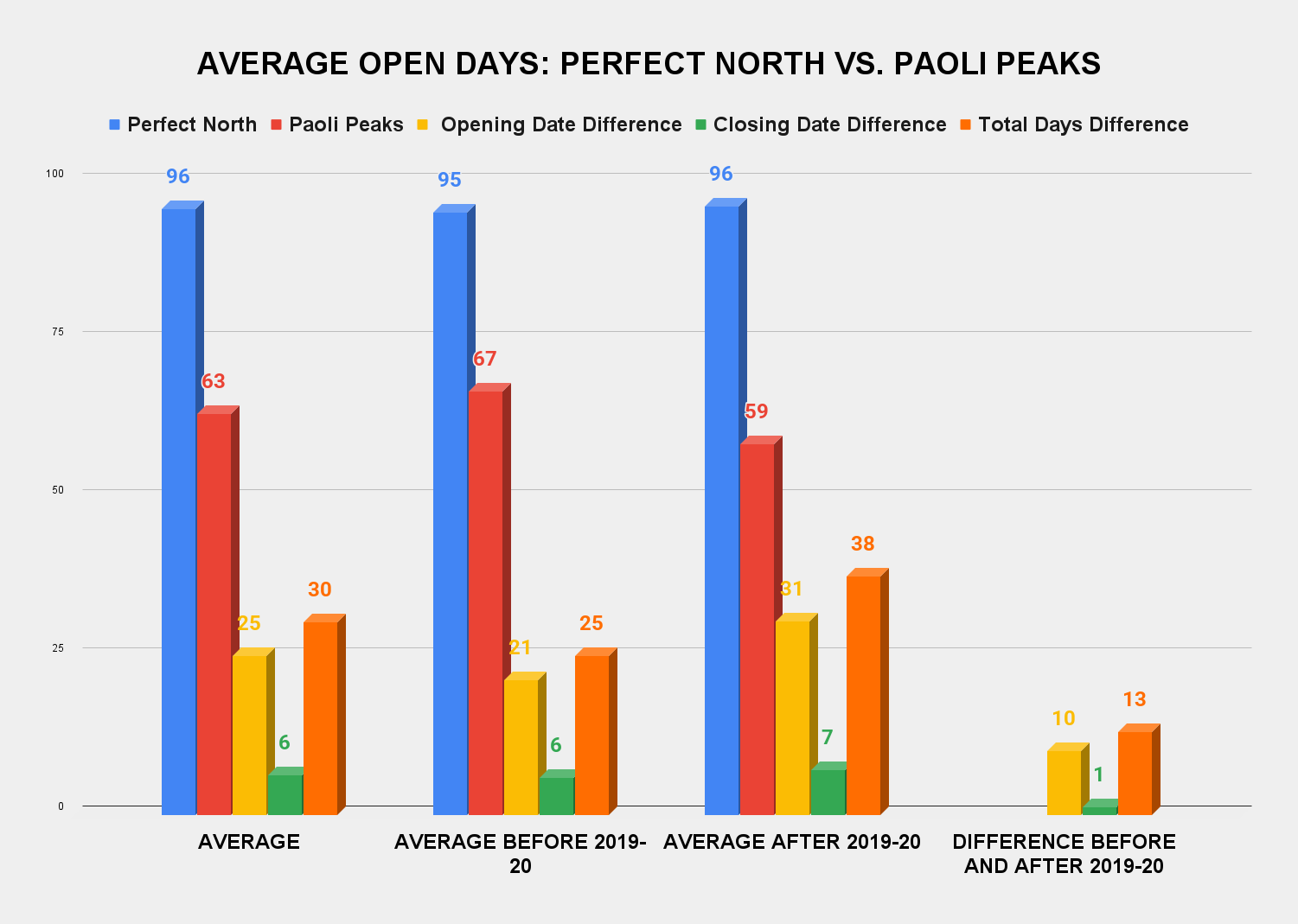
My hope is that if I complain enough about Paoli Peaks, Vail will either invest enough in snowmaking to tranform it into a functional ski area or sell it. Here are the differences between Paoli’s season lengths since 2013 as compared to Perfect North, its competitor that is the only other active ski area in the state:
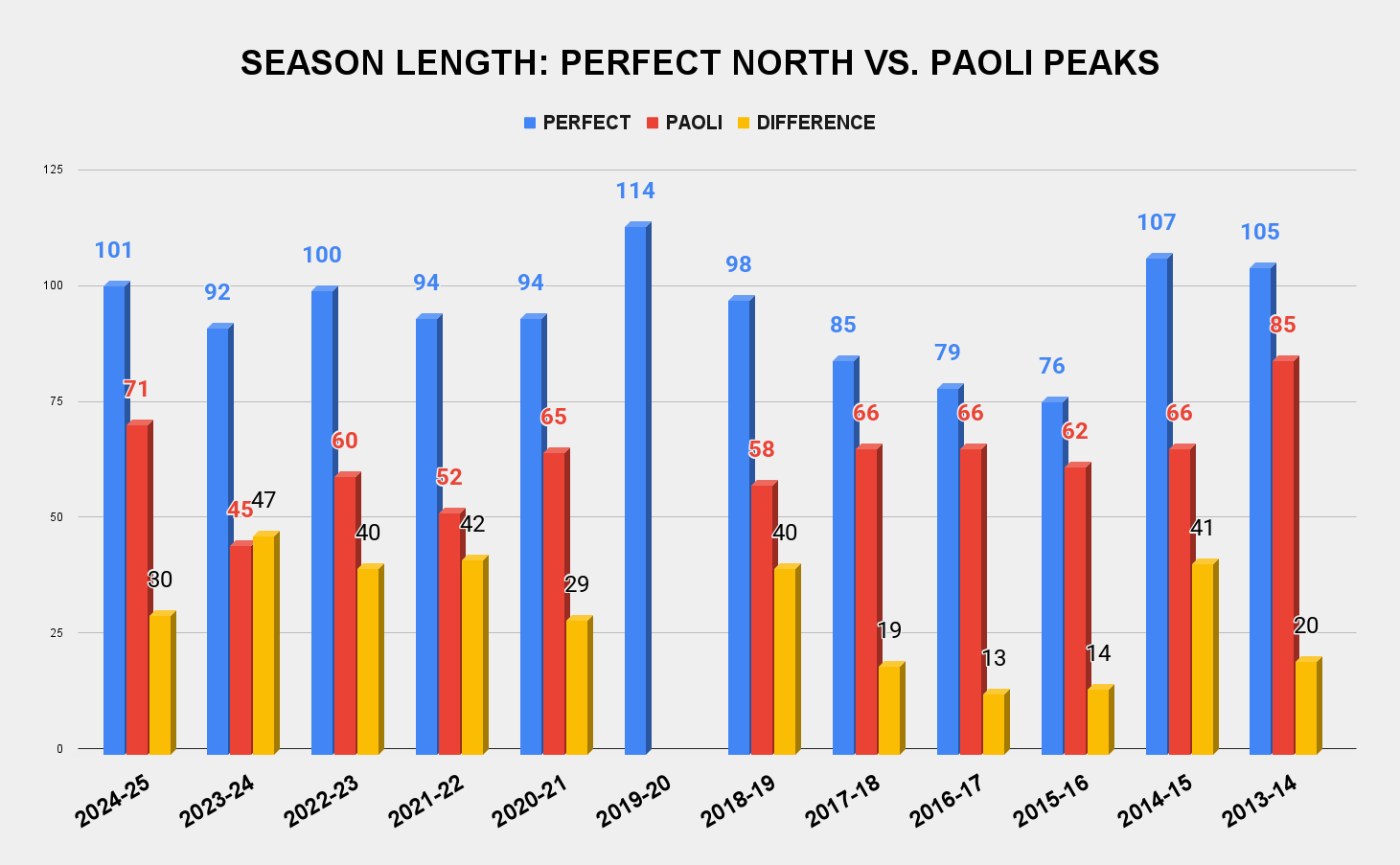
What explains this longstanding disparity, which certainly predates Vail’s 2019 acquisition of the ski area? Paoli does sit southwest of Perfect North, but its base is 200 feet higher (600 feet, versus 400 for Perfect), so elevation doesn’t explain it. Perfect does benefit from a valley location, which, longtime GM Jonathan Davis told me a few years back, locks in the cold air and supercharges snowmaking. The simplest answer, however, is probably the correct one: Perfect North has built one of the most impressive snowmaking systems on the planet, and they use it aggressively, cranking more than 200 guns at once. At peak operations, Perfect can transform from green grass to skiable terrain in just a couple of days.
So yes, Perfect has always been a better operation than Paoli. But check this out: Paoli’s performance as compared to Perfect’s has been considerably worse in the five full seasons of Vail Resorts’ ownership (excluding 2019-20), than in the six seasons before, with Perfect besting Paoli to open by an average of 21 days before Vail arrived, and by 31 days after. Perfect’s seasons lasted an average of 25 days longer than Paoli’s before Vail arrived, and 38 days longer after:
Yes, Paoli is a uniquely challenged ski area, but I’m confident that someone can do a better job running this place than Vail has been doing since 2019. Certainly, that someone could be Vail, which has the resources and institutional knowledge to transform this, or any ski area, into a center of SnoSportSkiing excellence. So far, however, they have declined to do so, and I keep thinking of what Davis, Perfect North’s longtime GM, said on the pod in 2022: “If Vail doesn’t want [its ski areas in Indiana and Ohio], we’ll take them!”

On the 2022 Sunrise Six replacement for the triple
In 2022, Stowe replaced the Mountain triple chair, which sat up a flight of steep steps from the parking lot, with the at-grade Sunrise six-pack. It was the kind of big-time lift upgrade that transforms the experience of an entire ski area for everyone, whether they use the new lift or not, by pulling skiers toward a huge pod of underutilized terrain and away from longtime alpha lifts Fourrunner and the Mansfield Gondola.


On Fourrunner as a vert machine
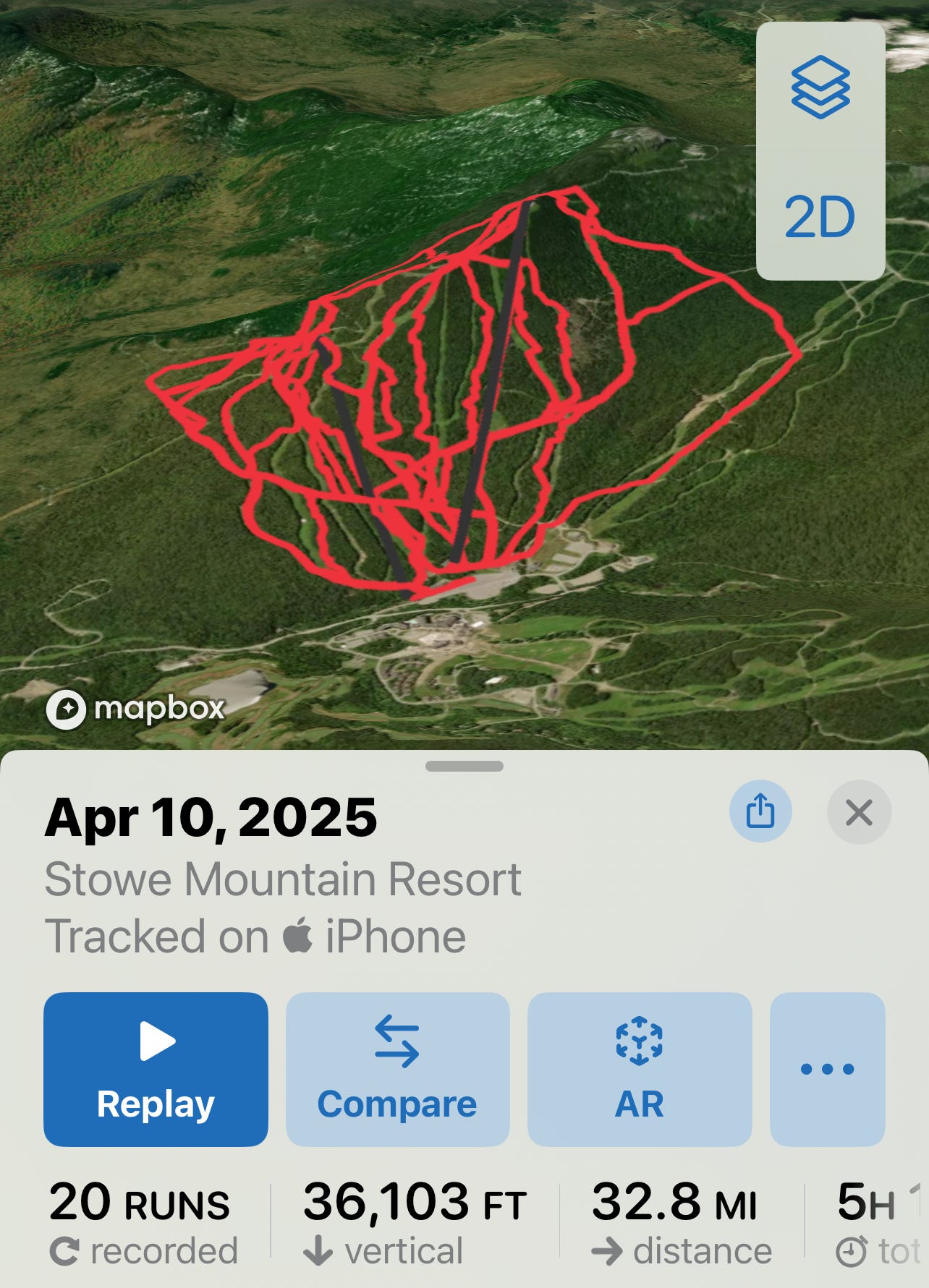
Stowe’s Fourruner high-speed quad is one of the most incredible lifts in American skiing, a lightspeed-fast base-to-summit, 2,040-vertical-foot monster with direct access to some of the best terrain east of A-Basin.
The highest vert total in my 54-day 2024-25 ski season came (largely) courtesy of this lift - and I only skied five-and-a-half hours:
On Stowe-Smuggs proximity and the proposed gondola and a long drive in winter
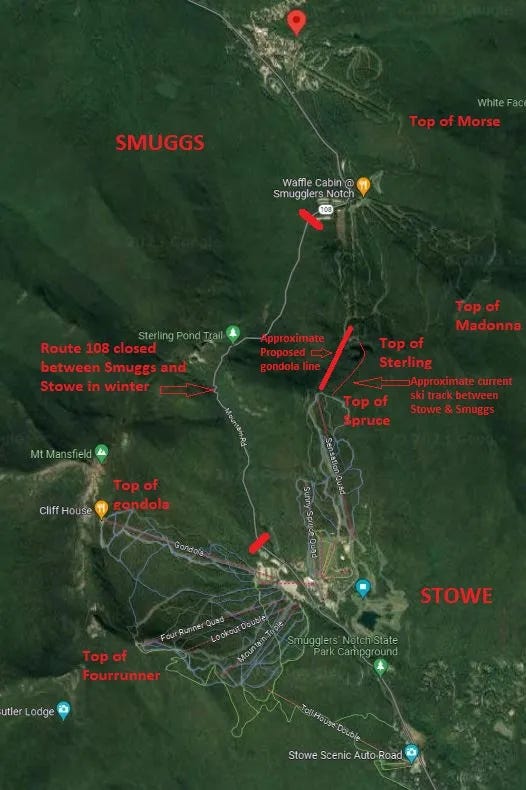
Adventurous skiers can skin or hike across the top of Stowe’s Spruce Peak and ski down into the Smugglers’ Notch ski area. An official ski trail once connected them, and Smuggs proposed a gondola connector a couple of years back. If Vail were to purchase sprawling Smuggs, a Canyons-Park City mega-connection – while improbable given local environmental lobbies -could instantly transform Stowe into one of the largest ski areas in the East.
On Jay Peak’s big snowmaking upgrades
I referenced big offseason snowmaking upgrades for water-challenged (but natural-snow blessed), Jay Peak. I was referring to this:
This season brings an over $1.5M snowmaking upgrade that’s less about muscle and more about brains. We’ve added 49 brand new HKD Low E air-water snowmaking guns—32 on Queen’s Highway and 17 on Perry Merrill. These aren’t your drag-’em-out, hook-’em-up, hope-it’s-cold-enough kind of guns. They’re fixed in place for the season and far more efficient, using much less compressed air than the ones they replace. Translation: better snow, less energy.
On Perry Merrill, things get even slicker. We’ve installed HKD Klik automated hydrants that come with built-in weather stations. The second temps hit 28 degrees wetbulb, these hydrants kick on automatically and adjust the flow as the mercury drops. No waiting, no guesswork, no scrambling the crew. The end result? Those key connecting trails between Tramside and Stateside get covered faster, which means you can ski from one side to the other—or straight back to your condo—without having to hop on a shuttle with your boots still buckled. …
It’s all part of a bigger 10-year snowmaking plan we’re rolling out—more automation, better efficiency, and ultimately, better snow for you to ski and ride on.


